Democracy Series

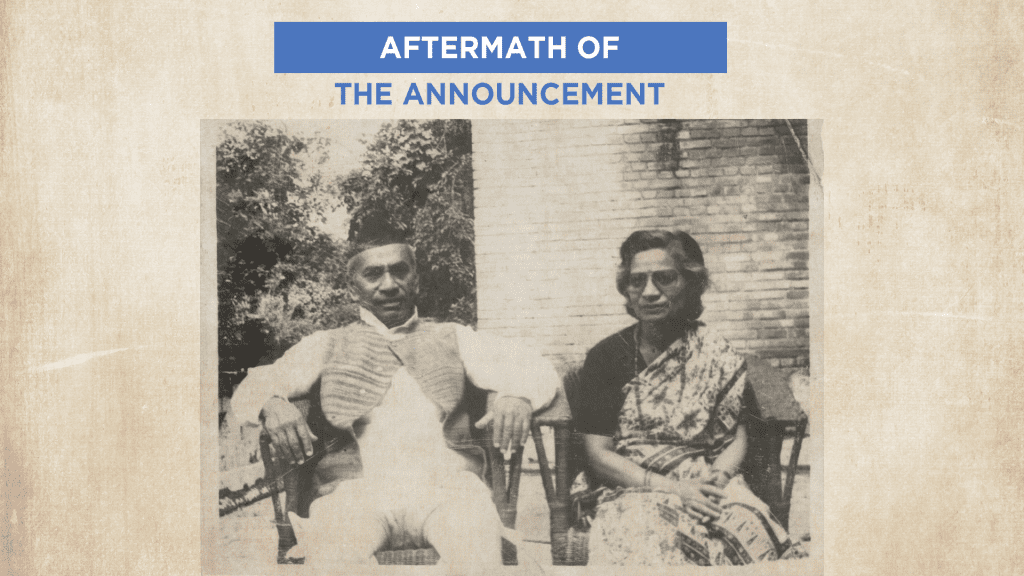
AFTERMATH OF THE ANNOUCEMENT

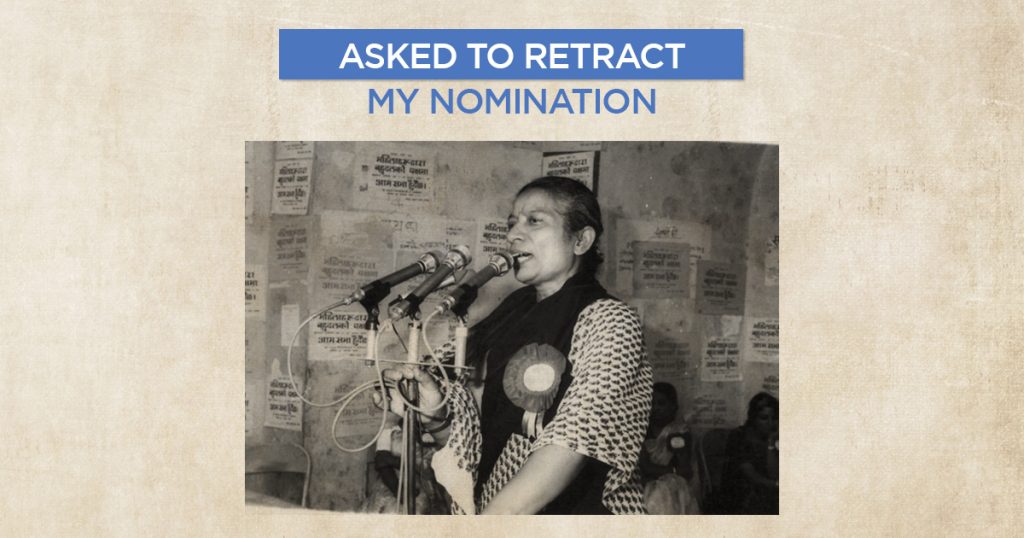
After the conclusion of the 1951 Revolution (Saat Saal Ko Kranti), I had imagined the possibility of going to jail because certain political beliefs would become extinct. However, I was proven wrong. I had imagined the days of spying on one’s own citizens were over. All the political freedoms we were granted felt like a

AFTERMATH OF THE ANNOUCEMENT Read Post »

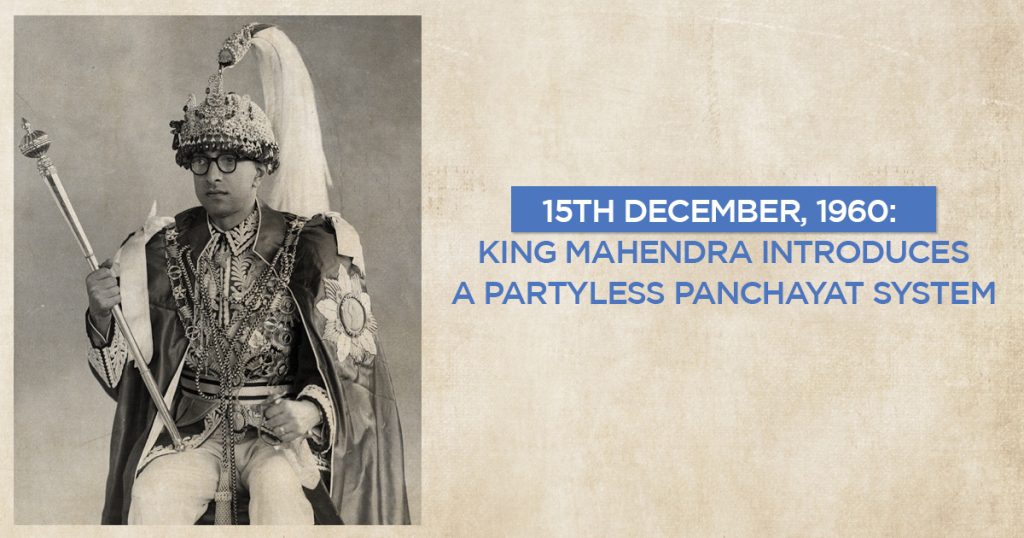
15th December, 1960: King Mahendra Introduces a Partyless Panchayat System

In the words of Mangala Devi Singh It was a cold winter morning. We had been hearing rumours. Harishwar Dayal, Indian Ambassador to Nepal had been warning us. “Democracy’s death is arriving. A big announcement is coming soon. Brace yourselves”, he had warned. While we were concerned, we weren’t worried. Two months down the line,

15th December, 1960: King Mahendra Introduces a Partyless Panchayat System Read Post »

1959 Nepalese General Election

Delay in organizing general elections Amidst all the political instabilities, Nepal’s new found democracy was suffering the most. In 1957, a year after King Mahendra’s coronation, he sat down with Subarna Shumsher and other leaders to decide upon a date for the general elections. In the meeting, King Mahendra pledged to organize the elections within

1959 Nepalese General Election Read Post »

King Mahendra’s Coronation and Dr K I Singh as Prime Minister

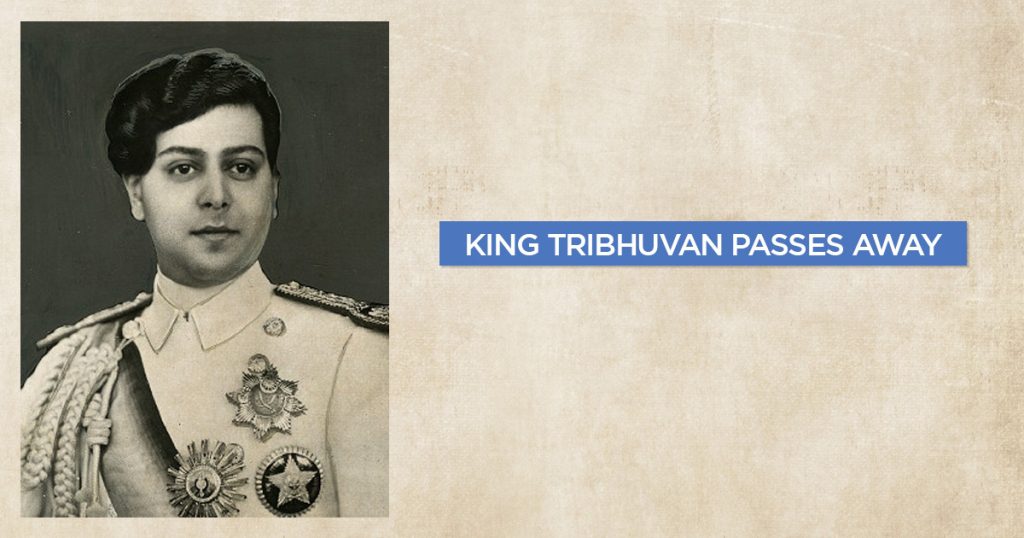
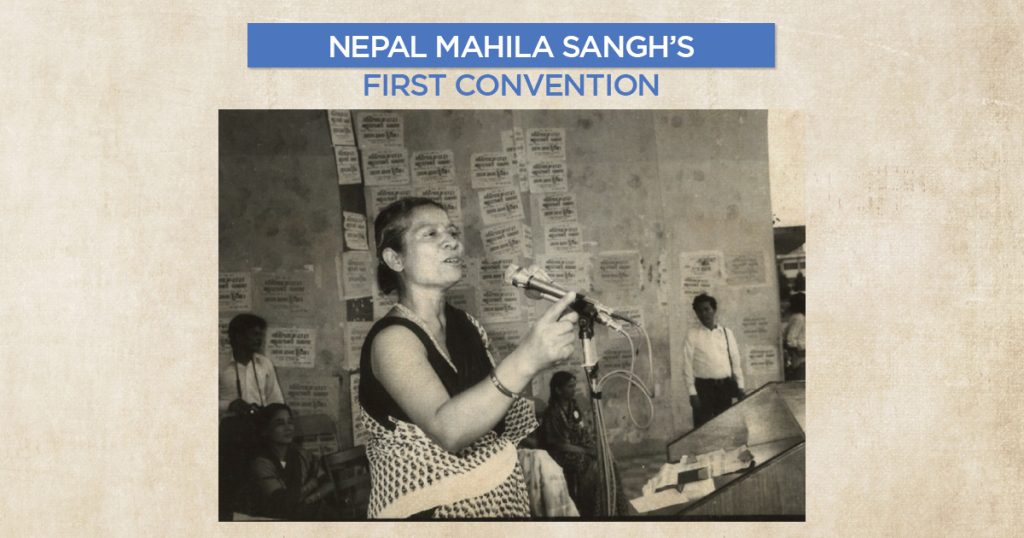
King Tribhuvan Passes Away After the establishment of democracy in Nepal, on 13th April, 1952, the government restructured the Advisory Committee. However, the new committee lacked female representation, and therefore Nepal Mahila Sangh protested. We staged a huge protest right outside the palace, demanding adequate representation, and staged a ‘Satyagraha’ (civil disobedience movement). Eventually, the

King Mahendra’s Coronation and Dr K I Singh as Prime Minister Read Post »

Political Instabilities Continue

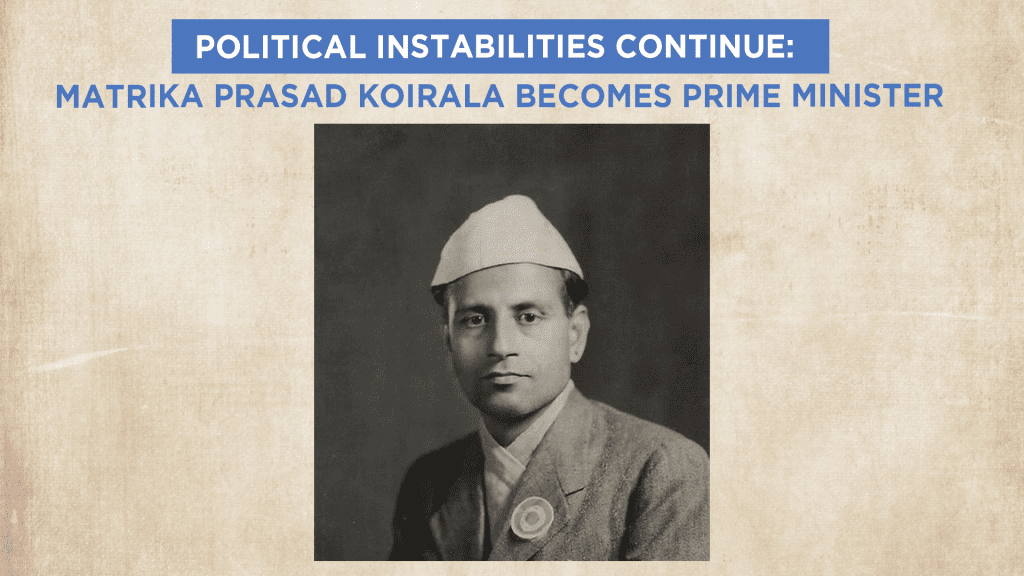
Political Instabilities Continue: Matrika Koirala becomes Prime Minister After the Congress-Rana government of 1951 AD was dissolved, it paved way for a new government, which required a name for the Prime Minister’s position to be recommended. A meeting of the Central Committee was called for, and Congress was divided over B P Koirala and Matrika

Political Instabilities Continue Read Post »

Chiniya Kaji’s death, B P Koirala’s resignation, and our Kilagal home

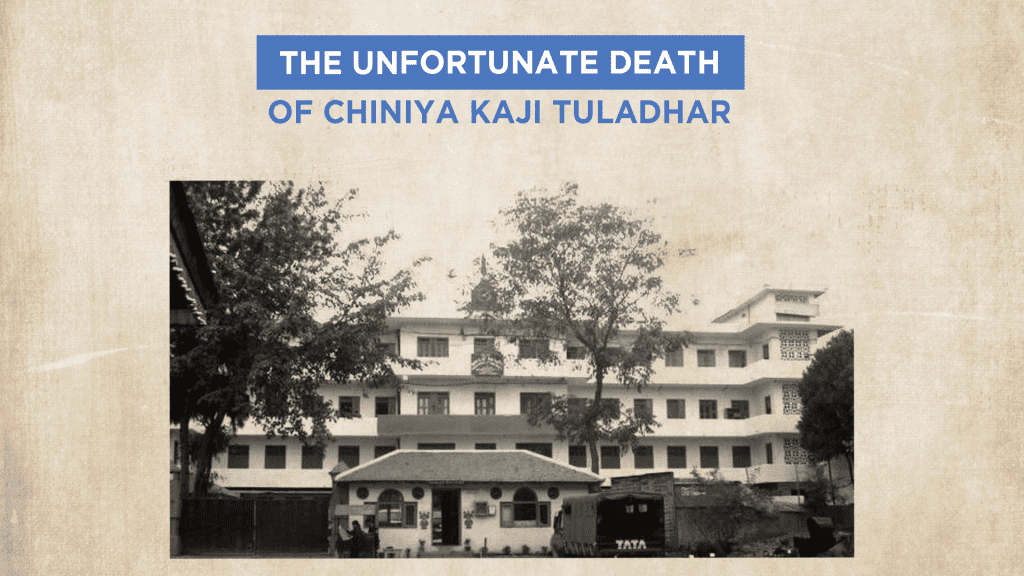
The unfortunate death of Chiniya Kaji Tuladhar Meanwhile, protests against the government began to intensify – the communists were protesting, Gorkha Dal was protesting, so much so, even the student wing of Nepali Congress, Nepal Student Union began demonstrating against their own government. One day, police arrested around five to seven student leaders of NSU

Chiniya Kaji’s death, B P Koirala’s resignation, and our Kilagal home Read Post »

Disagreement within Nepal Mahila Sangh over Nehru’s visit

An unfortunate incident Prior to the establishment of democracy in Nepal, Khukuri Dal, a pro-Rana political party had worked hard to disallow democratic reform in Nepal. They would terrorise locals while yielding knives (Khukuris), and at several neighbourhoods, locals would form anti-terror squads. Following the Falgun 7 Proclamation, Khukuri Dal became Gorkha Dal. It would

Disagreement within Nepal Mahila Sangh over Nehru’s visit Read Post »

Scroll to Top

Cookies Policy

Aawaaj News and Research uses third-party cookies to improve performance and analyze traffic. By using the site, you consent to the collection of non-personal data, which you can manage or disable through your browser settings